Driving With Neuropathy: How Two Australians Got Back on the Road

Summary
Many Australians with neuropathy lose confidence behind the wheel and stop or limit their driving. However modern assistive controls can restore your ability to drive safely, and even help you get your licence back if it was taken away.
Neuropathy is a condition with many possible causes, but its impact on driving is often the same: numbness, weakness, or loss of sensation in the hands and feet that makes controlling a car difficult — and, for some people, unsafe.
It’s not surprising that many people with neuropathy lose confidence behind the wheel. In some cases, a medical review or driving assessment can even lead to a suspended licence. And because neuropathy isn’t reversible, many assume they’ll never drive independently again.
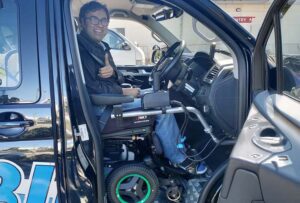
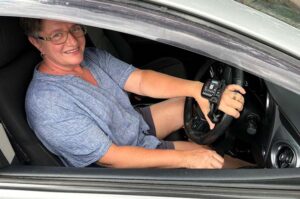
But that isn’t necessarily true. As two of our recent customers, Tonya and Bob, discovered, modern assistive driving controls can restore the ability to drive safely — even after a licence has been taken away.
What Is Neuropathy?
“Neuropathy” is a broad term for nerve damage. Most people experience peripheral neuropathy, which affects the nerves in the hands and feet.
There are several possible causes:
- Conditions such as diabetes, where high blood sugar damages nerves and blood vessels
- Autoimmune disorders that attack the protective myelin around nerves
- Physical trauma or pressure
- Certain medications or treatments
Symptoms vary from person to person, but often include numbness, pain, muscle weakness, loss of coordination, or reduced sensitivity — all of which can affect the physical precision and reaction time required for safe driving.
When Driving Becomes Difficult
For many people, neuropathy slowly erodes confidence in their ability to drive. For others, formal assessments or medical reviews lead to restrictions or suspension of their licence.
That was the case for both Tonya Cook-Pederson and Bob Grant — although their journeys were very different.
Tonya's Story: Finding a Path Forward Via the NDIS
Tonya lives a busy life: a consulting career, children still in school, and parents living in northern NSW. When her neuropathy symptoms worsened and she experienced several minor driving incidents, she limited herself to short neighbourhood trips and began researching alternatives.
Tonya’s condition — chronic inflammatory demyelinating polyneuropathy — is an autoimmune disorder that attacks the myelin sheath around nerves, creating classic peripheral neuropathy symptoms.
Knowing she needed help, she added “ability to drive” as a goal in her initial NDIS plan under Maintaining Independence.
The NDIS funded a Driver Trained Occupational Therapist (DTOT) assessment, which confirmed she needed assistive driving technology to return to unrestricted driving.
In her next plan review, Tonya secured funding for lessons to trial hand controls.
“I really wanted to be sure this would work for me. There was no point getting funding for something I couldn’t adapt to — but I was pleasantly surprised.”
After proving she could drive confidently with hand controls using a Specialist Driving School vehicle equipped with Total Ability controls, Tonya applied for capital funding to modify her own car.
She was even able to have the controls installed before sitting her test.
“It was seamless. It made no sense for me to learn on one set of controls but be tested on another. I pushed hard, and it’s possible the NDIS made that decision based on feedback in the DTOT’s reports.”
Bob's Story: Regaining Independence Later in Life
Bob’s experience was more abrupt. He underwent a driving assessment expecting some advice on how he could drive more confidently, but instead, his DTOT was required to report that he was unsafe to drive. His licence was suspended.
Medication for his multiple myeloma had created neuropathy in both feet. The numbness eventually progressed to an intense burning sensation.
Without a licence, Bob relied on taxis and rideshare services, but the restrictions quickly took a toll.
One trip in particular — a visit from Sydney to the Blue Mountains — made him realise how much independence he had lost. After arriving by train, he couldn’t get a taxi and faced a long, difficult late-night walk.
Bob tried hand-control lessons, though early attempts were frustrating.
“I had ten lessons. By the seventh, I finally started feeling more confident, but it was a total retrain.”
Despite the challenge, Bob persisted. Being above the age-threshold for NDIS support, he self-funded both the controls and the training.
The Impact: A Return to Freedom and Everyday Life
For Tonya, getting back on the road meant her life could return to normal.
“I was still running my consulting business, still managing school routines, and needed to do long drives for work and family. When I couldn’t drive, everything became difficult — for me and for my husband. Now, there’s no real issue anymore. I can even make the long trips to visit my parents again.”
Tonya has even recommended hand controls to her father, in his 80s, who struggles with foot mobility from old sports injuries.
Bob describes a similar transformation. The cost and effort were well worth it.
“It’s given me back my life. I never thought I’d have to stop driving until I was really old! You know intuitively that at some point you’ll have to stop driving, but when it happens unexpectedly, it’s a huge blow to your lifestyle. We’ve got reasonable transport here, but it’s nowhere near the same of being able to drive yourself.”
“It’s the independence. It’s being able to do things when you want to, not relying on others, or when a taxi is available. Getting that freedom back is life changing.”
The Controls They Use:
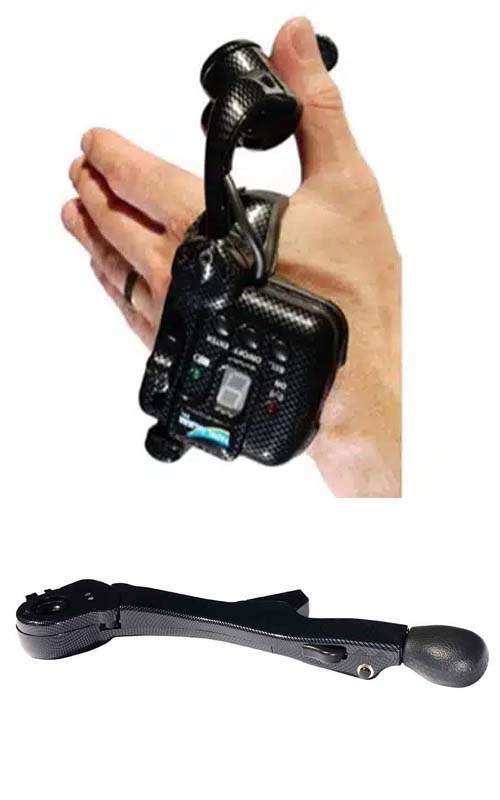
Tonya:
Satellite Accelerator + Brake Lever
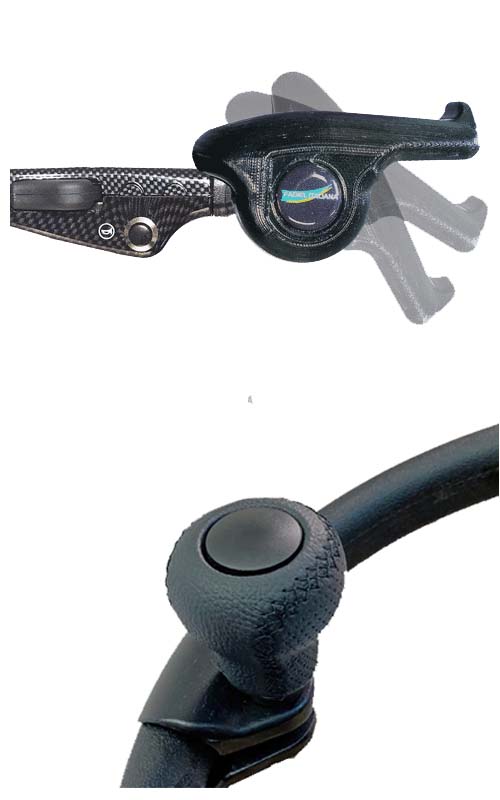
Bob:
Ergonomic Radial Combined Brake & Accelerator with Spinner Knob
Live in or near Sydney?
Interested in Driving with Neuropathy?
Join Us At Our Next Drive Day
Total Ability ‘Drive Days’ are where people try the latest assistive driving controls on private roads or tracks – a chance to try a range of controls at minimal or no cost without the pressure of other traffic.
We’re hosting a neuropathy-specific Drive Day later in 2026 in Sydney.
If you’d like us to contact you when the date is confirmed, complete the form below and we’ll be in touch in time so you can prepare.
Exploring Driving Controls? We're Here to Help
As Tonya and Bob’s experiences show, driving with neuropathy or other physical impairments is absolutely possible with the right assistive technology, the right professionals, and the right support.
Total Ability is here to help you through every step with:
- Contacts for Driver Trained Occupational Therapists and Specialist Driving Instructors
- Information on NDIS funding and vehicle modification pathways
- Access to Australia’s leading range of disability driving controls
We’ve also created several free guides, including our Complete Guide to Driving With Disability and our NDIS Guide to Vehicle Modifications, to support you on your journey.
If you’re in or near Sydney, you’re welcome to visit our Disability Driving Centre in Artarmon to see the equipment in person and speak with our team.
Get in touch today and discover – or rediscover – your Love to Drive!
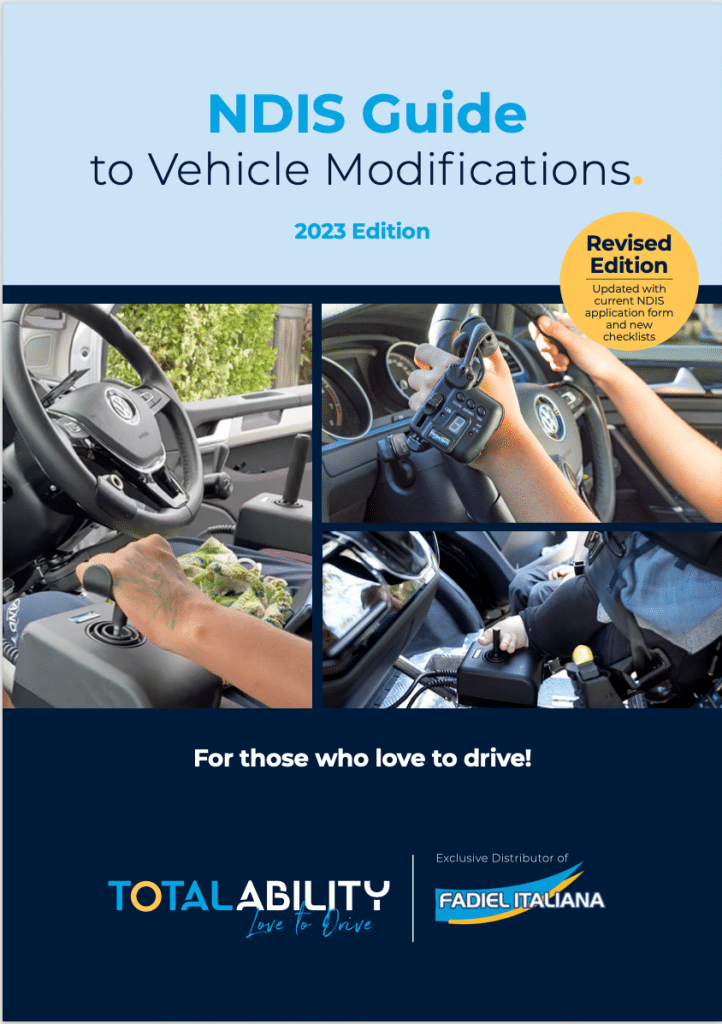
This Guide covers:
- Initial Assessment
- Understanding the Plan
- Assistive Technology and the NDIS
- State Motoring Authorities
- Assessment Considerations
- Quotes and Evidence
- High-cost Vehicle Modifications
- Complete the NDIS Application
- After Lodgement
- Checklists
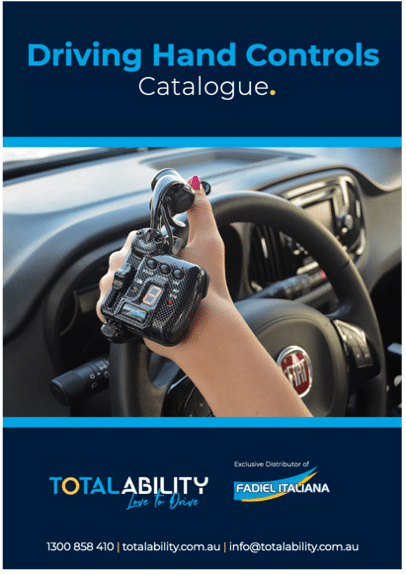
Driving Hand Controls Catalogue includes:
- Our complete range of driving hand controls
- For each control, the disabilities and conditions they are suitable for
- A comparison chart outlining the benefits and features of the various types of hand controls
- The history of Fadiel Italiana high level modification driving systems